

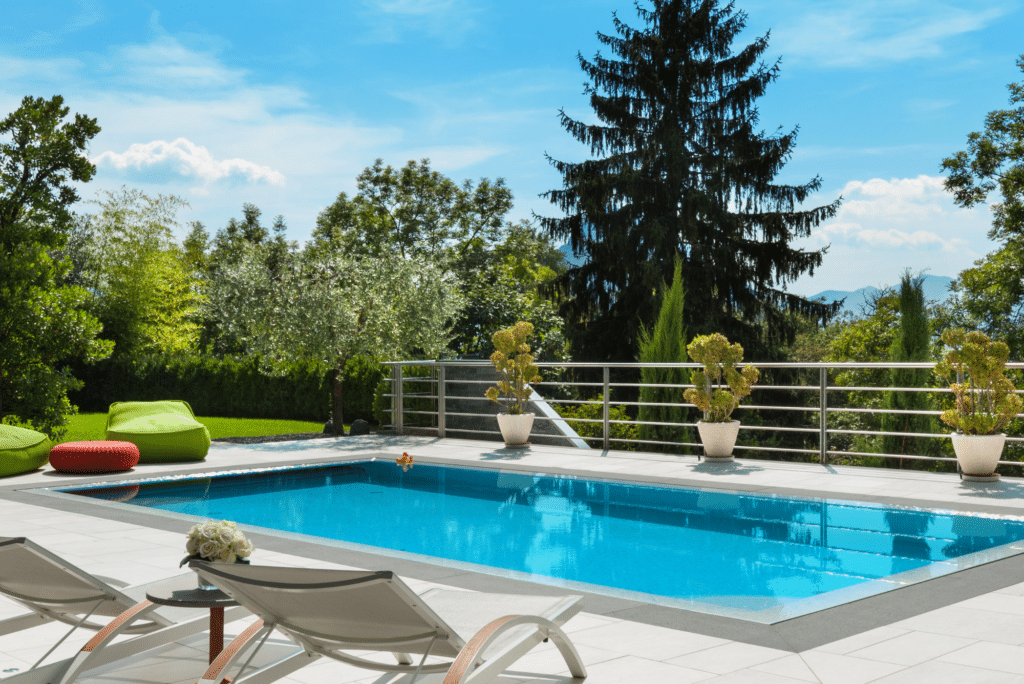
Adding a pool to your home can transform your backyard into a personal oasis, offering fun, relaxation, and a potential boost to your property value. However, choosing the right type of pool is a major decision that involves balancing cost, aesthetics, maintenance, and long-term value. Two primary options dominate the market: above-ground pools and in-ground pools. Each has its advantages and considerations, and understanding these can help homeowners make a decision that suits both their lifestyle and budget.
Cost and Installation
One of the biggest differences between above-ground and in-ground pools is cost. Above-ground pools are generally much more affordable, with prices starting as low as a few thousand dollars, depending on size and features. They are also quicker to install, often taking just a few days to a couple of weeks. In contrast, in-ground pools require a substantial investment, including excavation, construction, and landscaping costs. Installation can take several weeks to months. While in-ground pools are more expensive, they often add more long-term value to your property.
Aesthetic Appeal
In-ground pools tend to be more visually appealing, offering a permanent, elegant feature that can be customized to fit your backyard’s landscape. They come in a variety of shapes, sizes, and materials, including concrete, fiberglass, and vinyl, allowing homeowners to create a unique, resort-style environment. Above-ground pools are more functional than decorative and typically have a simpler design. While they can be enhanced with decking or landscaping, they generally do not offer the same visual impact as an in-ground pool.
Durability and Longevity
Durability is another key consideration. In-ground pools are built to last for decades when properly maintained, with concrete and fiberglass options offering exceptional longevity. Above-ground pools, while still durable, are more susceptible to damage from weather, UV exposure, and physical impact. Most above-ground pools have a lifespan of 10–20 years, depending on materials and care, whereas in-ground pools can often exceed 30 years with proper maintenance.
Maintenance and Upkeep
Maintenance requirements differ significantly between the two types. In-ground pools typically require more specialized equipment, such as pool pumps, filtration systems, and chemical treatments, which can make upkeep more complex and expensive. Above-ground pools, on the other hand, are generally easier and less costly to maintain. They require basic cleaning, water treatment, and seasonal care, making them a more manageable option for families with limited time or experience in pool maintenance.
Flexibility and Mobility
One of the advantages of above-ground pools is their flexibility. These pools can often be dismantled, moved, or resized with relative ease, which is ideal for homeowners who may not want a permanent fixture or who plan to relocate in the future. In-ground pools are permanent installations, which means they cannot be relocated without significant expense. This permanence can be a benefit for those looking for a long-term backyard feature but limits flexibility if your plans change.
Safety Considerations
Safety is an important factor to weigh when choosing a pool type. Above-ground pools are generally considered safer for children and pets because the raised walls make accidental falls less likely. Many above-ground models also come with secure ladders and optional fencing. In-ground pools, however, require more proactive safety measures, including fencing, covers, and alarms, to prevent accidents. Homeowners with small children or pets may need to invest in additional safety equipment when opting for an in-ground pool.
Impact on Property Value
In-ground pools are widely regarded as an investment that can enhance a home’s resale value, particularly in warmer climates where outdoor living spaces are highly sought after. They add a permanent, luxurious feature that appeals to buyers looking for an attractive backyard. Above-ground pools, while fun and functional, generally do not increase property value to the same extent. They are viewed more as temporary or recreational additions rather than long-term enhancements to the property.
Personal Lifestyle and Use
Ultimately, the best choice depends on your lifestyle and how you plan to use the pool. If you want a low-cost, seasonal option for casual fun and don’t mind the simpler aesthetics, an above-ground pool may be ideal. For homeowners looking for a long-term, visually appealing feature that can host gatherings, provide fitness options, and elevate their backyard, an in-ground pool may be worth the higher investment. Consider how often you plan to use the pool, who will be using it, and the type of experience you want to create.
Budget Planning
Budget planning is critical for any pool project. It’s important to consider not just the initial purchase and installation costs but also ongoing maintenance, insurance, utilities, and potential upgrades. Above-ground pools offer an entry point with lower upfront costs and manageable upkeep, making them accessible for many families. In-ground pools require a higher initial investment and higher maintenance costs but can provide greater satisfaction, longevity, and property value in the long run.
Choosing between an above-ground and in-ground pool requires balancing cost, aesthetics, durability, maintenance, safety, and lifestyle needs. Above-ground pools offer affordability, mobility, and simplicity, while in-ground pools provide elegance, longevity, and long-term value. By carefully evaluating your home, budget, and personal priorities, you can select the pool that transforms your backyard into a space you’ll enjoy for years to come.