

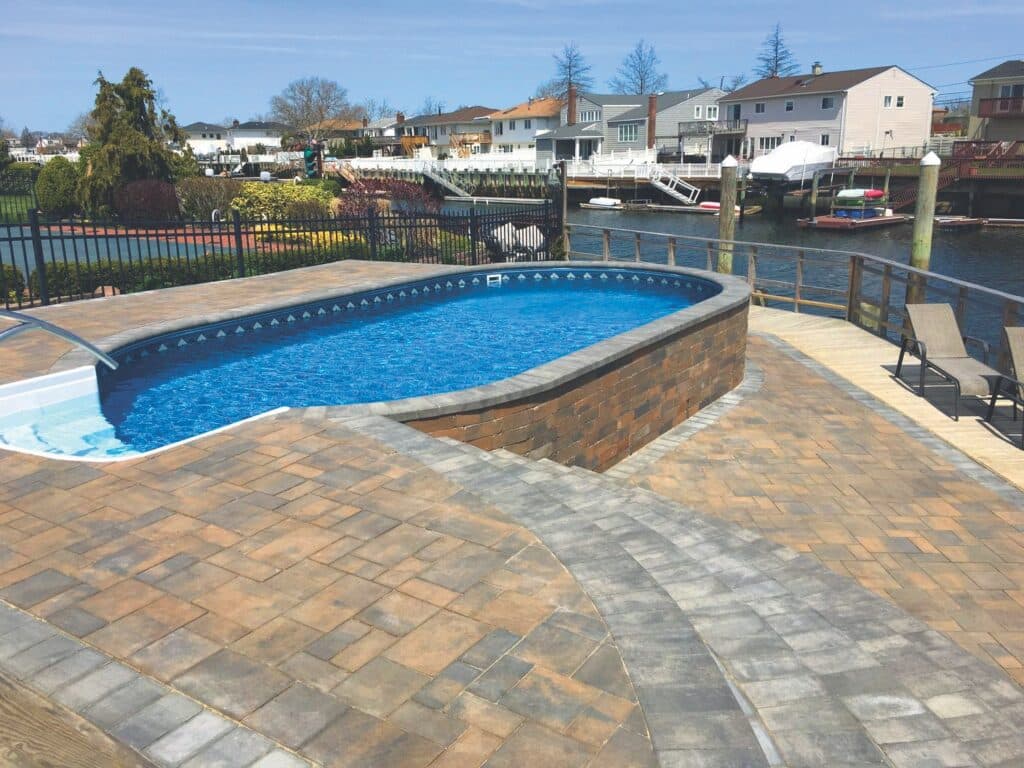
As the weather warms up, pool owners eagerly look forward to enjoying their backyard oasis. However, before you dive in, proper preparation is essential to ensure a safe, clean, and fully functional swimming environment. Opening your pool for the summer requires attention to cleaning, equipment checks, water balance, and safety measures. Taking the time to follow a step-by-step process can save you time and prevent potential problems during the swimming season.
Remove and Store the Pool Cover
The first step in opening your pool is to carefully remove the winter cover. Clear away any debris, such as leaves or twigs, that may have accumulated on top. Clean the cover thoroughly and allow it to dry before storing it in a cool, dry location. Proper storage helps preserve the cover for future seasons and prevents mold or mildew buildup.
Clean the Pool Area and Surroundings
Before addressing the water itself, take time to tidy up the pool area. Sweep or hose down decks, patios, and surrounding walkways. Remove any debris that could blow into the pool once it’s uncovered. Cleaning the area around your pool not only improves aesthetics but also helps keep the water cleaner throughout the season.
Inspect Pool Equipment
Check all pool equipment, including pumps, filters, heaters, and skimmers, to ensure they are in good working condition. Look for signs of wear, cracks, or leaks in hoses and fittings. Replacing or repairing faulty components now can prevent more serious issues later in the summer. Make sure electrical connections are secure and that timers or automation systems are functioning properly.
Clean the Pool and Remove Debris
Once the pool is uncovered, use a net or skimmer to remove leaves, insects, and other debris from the water. Brush the walls and floor of the pool to loosen dirt or algae buildup that may have formed over the winter. Vacuuming the pool afterward helps remove the loosened particles, ensuring the water starts the season looking clear and inviting.
Balance the Water Chemistry
Maintaining proper water chemistry is critical for swimmer safety and the longevity of pool equipment. Test the water for pH, alkalinity, and sanitizer levels, and adjust as necessary. Adding chlorine or other sanitizers, along with pH increasers or decreasers, helps prevent bacteria growth and keeps the water safe for swimming. Regular testing throughout the season is equally important to maintain water quality.
Check and Clean the Filtration System
Your pool’s filtration system plays a vital role in keeping the water clean and clear. Clean or replace filter cartridges as needed, backwash sand or DE filters, and ensure the pump is primed and running efficiently. A well-maintained filtration system reduces the risk of cloudy water and helps maintain a healthy swimming environment.
Inspect Pool Safety Features
Safety should always be a priority when opening your pool. Check pool fences, gates, alarms, and covers to make sure they are functioning properly. Inspect ladders, handrails, and diving boards for stability. Ensuring that all safety equipment is in place and in good condition minimizes the risk of accidents during the swimming season.
Shock the Pool if Needed
Shocking your pool involves adding a higher-than-normal dose of sanitizer to eliminate bacteria, algae, and other contaminants. This step is especially important if the pool water has been stagnant or cloudy during the winter. Follow manufacturer instructions for proper dosage and allow the water to circulate thoroughly before swimming.
Adjust Water Levels
Check the pool water level and adjust it if necessary. Water that is too low can damage pumps, while water that is too high can affect skimmer performance. Maintaining the proper water level ensures your pool equipment functions efficiently and helps maintain clean, clear water.
Schedule a Final Inspection
Before inviting family and friends to enjoy your pool, perform a final inspection. Ensure all equipment is operating correctly, the water chemistry is balanced, and the pool area is safe and free from hazards. Taking a few extra minutes for a thorough inspection can prevent small issues from turning into major problems during the summer.
Opening your pool for the summer requires careful planning and attention to detail, but the effort pays off with a safe and enjoyable swimming season. By removing the cover, cleaning the area, inspecting equipment, balancing water chemistry, and addressing safety concerns, you can ensure a smooth start to your pool season. Following these steps helps create a refreshing, well-maintained environment that is ready for relaxation, exercise, and fun in the sun.