

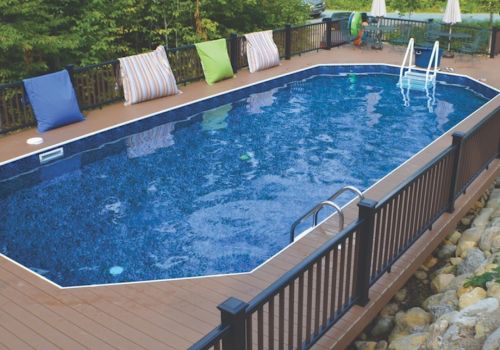
A swimming pool can provide endless hours of fun, relaxation, and exercise for families throughout the warmer months. Whether it’s a backyard pool, a community facility, or a vacation destination, pools create opportunities for people of all ages to enjoy the water. However, with that enjoyment comes responsibility. Pool safety should always be a top priority to help prevent accidents and ensure that everyone can swim and play with confidence. By implementing a few important safety measures and establishing clear rules, families can create a safer environment for children, adults, and guests alike.
Install Proper Pool Barriers
One of the most effective ways to enhance pool safety is by installing secure barriers around the swimming area. Fences with self-closing and self-latching gates help prevent unsupervised access, particularly for young children. The fence should completely surround the pool and be tall enough to discourage climbing. Pool covers and safety alarms can provide additional layers of protection by alerting homeowners when someone enters the pool area unexpectedly. These preventative measures significantly reduce the risk of accidents and provide peace of mind for families.
Always Provide Active Supervision
No pool safety feature can replace the importance of attentive supervision. Children should never be left unattended near a pool, even for a moment. A designated adult should actively watch swimmers and avoid distractions such as phones, reading materials, or lengthy conversations. When multiple adults are present, assigning a specific “water watcher” can help ensure that someone is always focused on pool activities. Consistent supervision remains one of the most effective ways to prevent drowning incidents and respond quickly if an emergency occurs.
Teach Swimming Skills Early
Learning how to swim is an essential life skill that can greatly improve pool safety. Enrolling children in age-appropriate swimming lessons helps them become more comfortable and confident in the water. While swimming lessons do not eliminate all risks, they provide valuable skills such as floating, treading water, and basic rescue techniques. Adults who are not strong swimmers can also benefit from lessons. Encouraging every family member to develop swimming abilities creates a safer environment and reduces the likelihood of panic during unexpected situations.
Establish Clear Pool Rules
Creating and enforcing pool rules helps prevent unsafe behavior. Common rules may include no running on wet surfaces, no diving in shallow areas, no roughhousing, and no swimming without adult supervision. Family members and guests should understand these expectations before entering the pool area. Posting rules in a visible location can serve as a helpful reminder. Consistent enforcement encourages responsible behavior and reduces the risk of slips, falls, and water-related accidents.
Keep Safety Equipment Nearby
Every pool area should have easily accessible pool safety equipment in case of an emergency. Essential items include a life ring, reaching pole, first aid kit, and a fully charged phone for contacting emergency services if needed. Pool owners should ensure that all family members know where pool safety equipment is stored and how to use it properly. Quick access to the right tools can make a significant difference in emergency situations and help minimize injuries.
Learn CPR and Emergency Response Skills
Cardiopulmonary resuscitation (CPR) is a valuable skill for parents, caregivers, and anyone who spends time around a pool. In the event of a water-related emergency, immediate action can improve outcomes while waiting for professional medical assistance. CPR certification courses teach participants how to respond effectively during emergencies involving both children and adults. Knowing how to recognize signs of distress and perform basic lifesaving techniques can provide an additional layer of protection for everyone around the pool.
Maintain Clean and Safe Water Conditions
Proper maintenance contributes to both pool safety and enjoyment. Water should be tested regularly to ensure appropriate chemical levels and sanitation. Poor water quality can lead to skin irritation, eye discomfort, and the spread of harmful bacteria. Clear water is also important because it allows swimmers and supervisors to easily see the bottom of the pool and identify potential hazards. Routine cleaning, filtration maintenance, and chemical balancing help create a healthier swimming environment for everyone.
Use Life Jackets When Appropriate
For inexperienced swimmers and young children, properly fitted life jackets can provide additional protection while in or near the water. Coast Guard-approved life jackets are designed to keep wearers afloat and should be used whenever extra support is needed. Inflatable toys and water wings should not be considered substitutes for approved flotation devices. Parents should continue active supervision even when children are wearing life jackets, as these devices are only one part of a comprehensive pool safety strategy.
Be Prepared for Weather Changes
Weather conditions can change quickly and create unexpected hazards around a pool. Thunderstorms, lightning, strong winds, and heavy rain can make swimming dangerous. Families should monitor weather forecasts and clear the pool immediately if lightning or severe weather is approaching. Pool decks can also become slippery after rain, increasing the risk of falls. Having a plan for weather-related interruptions helps keep everyone safe and reduces the chance of accidents.
Educate Guests About Pool Safety
When friends and family visit, it is important to communicate pool safety expectations. Guests may not be familiar with the layout of the pool area, water depths, or household rules. Providing a brief overview of safety guidelines helps everyone understand how to use the pool responsibly. Children visiting the home should be closely supervised, regardless of their swimming abilities. Clear communication helps create a safer environment and ensures that everyone can enjoy the pool responsibly.
Pool safety requires a combination of preparation, supervision, education, and ongoing maintenance. By installing proper barriers, teaching swimming skills, enforcing clear rules, and keeping safety equipment readily available, families can significantly reduce the risk of accidents. Regular maintenance and emergency preparedness further contribute to a secure swimming environment. With the right precautions in place, families can enjoy all the benefits of pool ownership while helping ensure that every swim is a safe and enjoyable experience.