
Owning a swimming pool is a luxury that brings relaxation, recreation, and value to your home. However, keeping your pool clean, safe, and efficient requires properly functioning equipment. From pumps and filters to heaters and automation systems, every component plays a crucial role. Over time, wear and tear can lead to performance issues, leaving homeowners wondering whether to repair or replace their pool equipment. Understanding the signs and knowing when to invest in repairs versus a full replacement can save you money and prevent unexpected downtime.
Understanding the Lifespan of Pool Equipment
Every piece of pool equipment has a typical lifespan. Pool pumps generally last 8–12 years, filters can last 10–15 years depending on type and maintenance, and heaters often operate effectively for 7–12 years. Salt chlorinators, automation systems, and lighting also have their own life expectancies. If your equipment is approaching or has exceeded its expected lifespan, replacement may be more cost-effective than repeated repairs. Keeping track of installation dates and service history helps you make informed decisions before problems escalate.
Signs Your Pool Pump Needs Attention
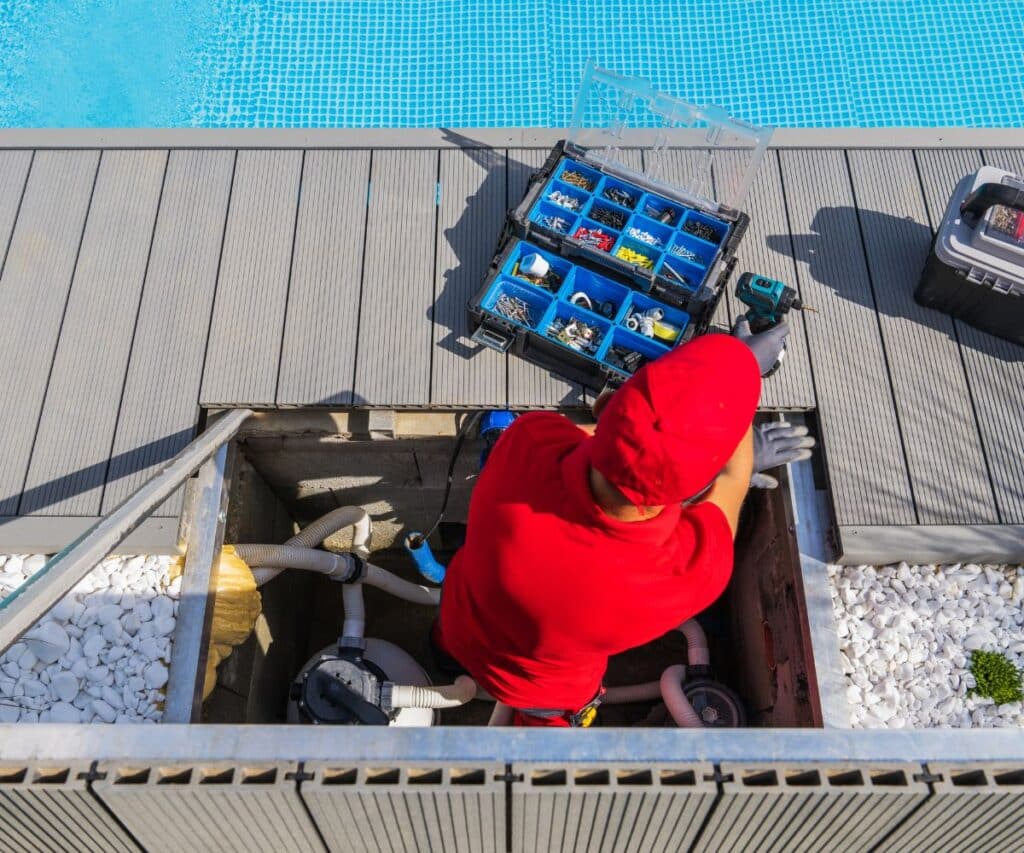
The pool pump is the heart of your circulation system. If you notice loud grinding noises, frequent overheating, reduced water flow, or higher-than-usual energy bills, your pump may be struggling. Minor issues like a worn-out seal or clogged impeller can often be repaired affordably. However, if the motor repeatedly fails or requires major parts replacement, investing in a new energy-efficient pump may provide better long-term value. Modern variable-speed pumps can significantly reduce energy costs compared to older single-speed models.
Evaluating Filter Performance
A properly functioning filter keeps your pool water clear and free from debris. When you experience cloudy water, frequent pressure spikes, or cracks in the filter housing, it may indicate a problem. Cartridge filters need regular replacement of cartridges, while sand and DE filters require periodic media changes. If the filter tank itself is damaged or nearing the end of its lifespan, replacement is usually the safest and most practical solution. Routine maintenance can extend a filter’s life, but structural damage often warrants a new unit.
Heater Problems and Efficiency Concerns
Pool heaters are essential for extending your swimming season, but they are also one of the most expensive components to repair or replace. If your heater fails to ignite, produces inconsistent temperatures, or frequently shuts off, it may require servicing. Sometimes issues stem from minor sensor or thermostat malfunctions that are relatively inexpensive to fix. However, corrosion, cracked heat exchangers, or chronic breakdowns often signal it’s time for a replacement. Upgrading to a newer, more energy-efficient model can reduce operating costs and improve performance.
Automation and Electrical System Issues
Modern pools often include automation systems that control lighting, temperature, and cleaning cycles. When these systems malfunction, troubleshooting can be complex. Simple issues such as faulty wiring, blown fuses, or outdated software may be repairable. However, if the system is outdated and incompatible with newer equipment, replacement might be necessary. New automation technology can enhance convenience, improve energy efficiency, and allow remote control from smartphones or tablets, adding both functionality and value to your pool setup.
The Cost Comparison: Repair vs. Replacement
A key factor in deciding whether to repair or replace is cost. A general rule of thumb is that if a repair costs more than 50 percent of the price of a new unit, replacement is often the smarter choice. Additionally, consider how frequently the equipment has needed repairs in recent years. Repeated service calls add up quickly. While replacement involves a higher upfront investment, it can reduce long-term maintenance costs and provide greater reliability. Weigh both immediate and future expenses carefully before making a decision.
Energy Efficiency and Long-Term Savings
Older pool equipment tends to be less energy-efficient than modern alternatives. Upgrading to variable-speed pumps, high-efficiency heaters, and improved filtration systems can dramatically lower monthly utility bills. In some regions, energy-efficient equipment may also qualify for rebates or incentives. If your current equipment is functioning but inefficient, replacement could offer significant savings over time. Evaluating your energy usage and comparing it with newer models can help you determine if an upgrade makes financial sense.
Safety Considerations
Safety should never be overlooked when assessing pool equipment. Faulty electrical components, leaking heaters, or cracked filter tanks can pose serious risks. If a piece of equipment creates a safety hazard, replacement is often the best option. Professional inspections can identify hidden dangers and ensure that your system meets current safety standards. Protecting your family and guests should always take priority over short-term cost savings.
Maintenance Habits and Prevention
Regular maintenance plays a crucial role in extending the life of pool equipment. Cleaning filters, inspecting seals, maintaining proper water chemistry, and scheduling annual professional checkups can prevent premature wear. When equipment is well-maintained, minor repairs can often resolve issues before they become major problems. Establishing a consistent maintenance routine helps you avoid costly replacements and ensures your pool operates efficiently throughout the season.
Consulting a Pool Professional
While some issues are obvious, others require expert evaluation. A licensed pool technician can assess the condition of your equipment, provide accurate repair estimates, and recommend suitable replacement options if needed. They can also identify compatibility concerns when upgrading components. Consulting a professional ensures that your decision is based on accurate diagnostics rather than guesswork, giving you confidence in your investment.
Making the Right Decision for Your Pool
Deciding whether to repair or replace your pool equipment ultimately depends on age, condition, cost, efficiency, and safety. Minor issues with relatively new equipment often justify repairs. However, aging systems with frequent breakdowns or high operating costs typically benefit from replacement. By understanding the signs of trouble and weighing the long-term implications, homeowners can make informed decisions that keep their pools running smoothly. With proper care and timely upgrades, your pool can remain a source of enjoyment and relaxation for years to come.